Signs Your Parent’s Home Isn’t Safe Anymore
The hazards rarely announce themselves. They are the steps, the rugs, and the furniture that have always just been there, quietly becoming harder to navigate while no one is looking.
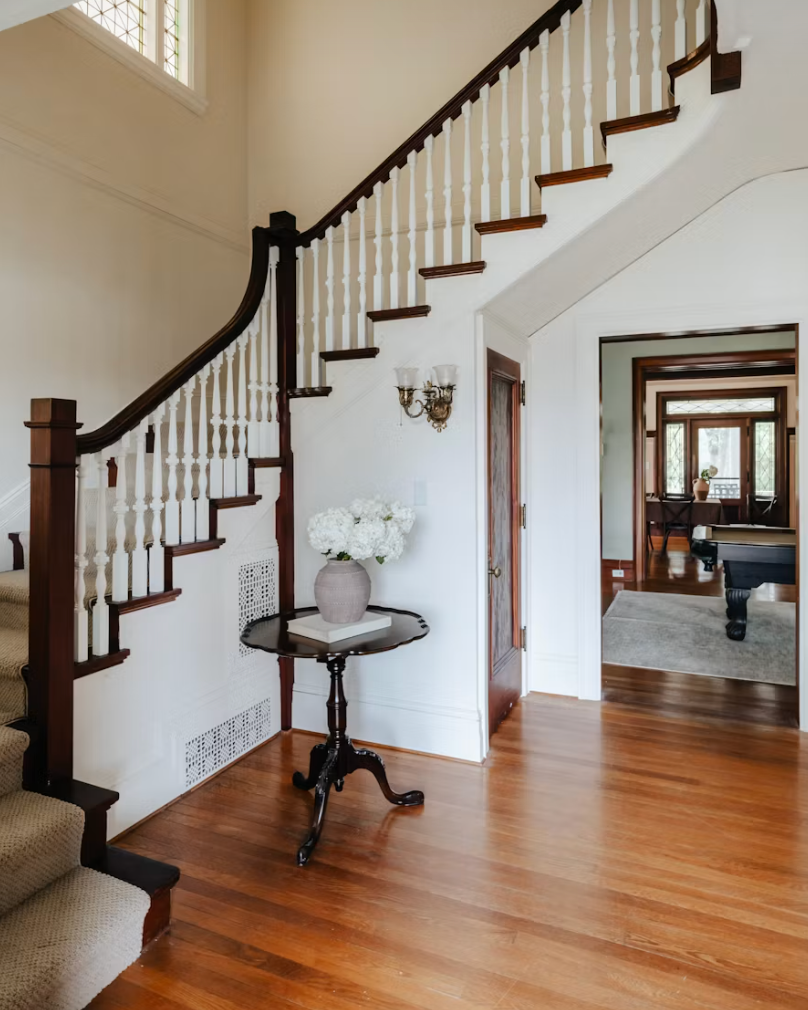
My grandparents were only in their early 50s when I was born, so when I think back to being a kid, I remember them as springy and in shape. Still working, still moving through their house and yard like it was nothing. There was a set of steps leading from the parking garage up to the main house, and every summer I'd stay with them for two months. I'd watch my grandpa climb those same steps every evening when he got home from work. It was just... background. Normal. Something he did a thousand times without thinking.
As a kid, those steps felt gigantic, almost like a challenge every time I climbed them. But the older I got, the smaller they seemed to me, until eventually they were just... small steps. Unremarkable. What I didn't realize was that the opposite was happening for my grandparents. The same steps that had shrunk down to nothing for me were quietly becoming bigger and scarier for them. Not gigantic in the exciting, kid way, but in a smaller, uncanny way. Steps that had always just been there were turning into something else.
Then one summer, coming back from college, I watched him climb those same steps and nearly slip. I was shocked. It was the first time I saw something go from being totally ordinary, a thing he'd done a thousand times, to something that scared me to watch.
What I didn't know at the time was that this exact thing had already been a source of tension in my family. My dad had been trying to get his parents to install a ramp, and they'd pushed back. I only found out about that argument later.
Don't lead with safety but instead lead with hospitality. My mom loves to host (parties, sleepovers, anything), and she's always open to changing her house if it makes her a better host. So instead of "you need a grab bar because you're getting older," we framed her guest bathroom as a "spa-like experience for guests" (raised toilet seat, shower chair, a multipurpose grab bar that doesn't look medical). Same equipment, completely different conversation, and she said yes immediately.
Why I started paying attention to this
Once I'd seen my grandpa nearly fall, I started noticing things I'd never noticed before everywhere.
My mom told me, almost in passing, about slipping on ice on the steps in front of their house one winter. It wasn't just a funny slip. She fell and it really hurt her. I'd genuinely never heard her talk about getting physically hurt just going about normal life before and it stuck with me, because if it could happen to her doing something as routine as walking out her own front door, it could happen to anyone.
That's when I started experimenting with the "reframe" approach with my mom. She's always open to updating her house for hosting, so:
We reorganized her living room and dining room layout with wider walking paths so "guests can mingle without bumping into furniture", which also happens to mean fewer tight squeezes around furniture for her.
We made sure furniture was sturdy and at the right height for easy sitting and standing. Again, framed as comfort for guests.
We got slow-close drawers in the kitchen, officially "for the grandkid", but also to help prevent pinching her fingers
And the bathroom upgrades I mentioned above (raised seat, shower chair, grab bar) all under the "spa guest bathroom" umbrella.
Every single one of these was met with way less resistance than when I'd tried to talk to my parents directly about safety. If anything, I came across as a thoughtful daughter with great interior design tips.
"Same equipment, completely different conversation. For a lot of parents, pride is a bigger barrier than the actual physical risk."
What to actually look for
Living and dining rooms Walking paths that have gotten narrower over the years as furniture gets added or rearranged. Furniture that's too low or too soft to get out of easily. If you can reframe a layout change as "better flow for entertaining," it's a much easier sell than "this is a fall risk."
Bathrooms This is the room where small changes make the biggest difference and where the "spa upgrade" framing works best. Raised toilet seats, shower chairs, and grab bars that don't scream "medical equipment" can all be framed as a nicer experience for guests, even if the real audience is your parents.
Kitchen Drawers and cabinets that require bending, reaching, or yanking. Slow-close drawers are an easy, low-friction upgrade and "for the grandkid" is a great cover story if your parent would otherwise resist.
Entryways and stairs This is the one I have the hardest time writing about. My grandpa's steps never got a ramp. As far as I know, nothing ever changed. He ended up dying from cancer, so I never found out whether those steps would have eventually caused a fall but I think about that argument between my dad and his parents more than I expected to.
General hazards Rugs, cables, sharp corners, doors that slam (my mom actually caught her fingers in a door at home). These are the kinds of things that are easy to walk past for years until you really look.
Who this isn't for
I want to be honest: sometimes you do everything right, or you try, and it still doesn't change anything. My grandparents never got that ramp. I don't have a tidy ending for that part of the story (just the fact that it happened, and that I think about it).
On the other end, I also know - through a friend - what happens when someone does fall and doesn't want to make a fuss about it. Their parent was on the floor for an hour before anyone knew, simply because they didn't want to bother anyone. That stuck with me almost as much as my grandpa's steps did. It's part of why I think the "reframe it, don't confront it" approach matters. Not because confrontation is wrong, but because for a lot of parents, pride is a bigger barrier than the actual physical risk.